
Language Sampling 101:
Collect, Transcribe, Analyze, and Write Like an Expert
Free 1 Hour Webinar offered for .1 ASHA CEUs
Wednesday, May 6th, 2026
3:00 PM PST | 4:00 MST | 5:00 PM CST | 6:00 PM EST
Learn the most modern, acceptable, fastest approaches to language sampling!
Language sampling is one of the most powerful tools we have, yet for many SLPs it remains underused. The process can feel time-consuming, unclear, and difficult to implement within the realities of a full caseload. At the same time, increasing linguistic diversity and the limitations of standardized testing make authentic language data more essential than ever. This session breaks down how to make language sampling practical, efficient, and central to your evaluation process.
Join Scott Prath, M.A., CCC-SLP, and Ellen Kester, Ph.D., CCC-SLP, as they walk you through a clear, step-by-step approach to collecting, transcribing, analyzing, and writing language samples with confidence. Watch the short videos below to see the process in action, and when you are ready, click through to join us for the full presentation.
Bonus! Find out about a new way to automate language sampling.
Evaluation Language Sample Analysis (ELSA)
Effortlessly Record, Transcribe, and Analyze Language Samples in Minutes.
- Record or upload your audio file from any device
- Click a button to get your transcription in a snap
- Easily analyze your language sample with guided prompts
- Create a report with a push of a button
Our Presenters
Creators of ELSA – the Evaluation Language Sampling Analysis Tool
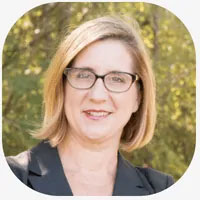
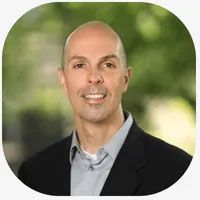
Ellen Kester, Ph.D., CCC-SLP & Scott Prath, M.A., CCC-SLP
Dr. Kester is the founder and President of Bilinguistics, a company that was designed to meet the speech and language needs of children from diverse backgrounds. She provides workshops around the United States and beyond on bilingualism, assessment of bilingual students, and effective intervention practices with diverse populations. Dr. Kester has served as adjunct faculty at The University of Texas at Austin teaching courses in language development, assessment and intervention of language disorders, early childhood intervention, preschoolers with special needs, and measurement. Her research and clinical work address the important issue of differentiating bilingual children with typical development from those with language impairment, and identifying appropriate goals for intervention with bilinguals.
Scott has been working as a bilingual speech pathologist in Austin, Texas since 2004 and is the Vice President of Bilinguistics. He has worked in Early-Childhood Intervention and currently serves bilingual children in the schools and clinic setting. His research focuses on developing protocols, materials, and professional development to better serve special population such as Autism, VPI, and second-language learners.
Scott is the author of Literacy-Based Speech and Language Therapy Activities and is a lead developer of literacy and language-based tools including the Language Sampling Tool and The Gigantic Turnip (El nabo gigante) English-Spanish Bilingual Literacy Kit. His conversations and presentations are fun, circuitous rides that weave quotes, history, and humor into any discussion. Scott is masterful and methodical at turning the passions and interests of the staff into the books, presentations, and courses that you see throughout this website.
Authors and Disclosures
Financial Disclosure: Ellen Kester, Ph.D., CCC-SLP. Dr. Ellen Kester is the owner of Bilinguistics and receives a salary. Bilinguistics receives royalty payments for online courses and products.
Non-Financial Disclosure: Ellen Kester does not have any non-financial relationships to disclose.
Financial Disclosure: Scott Prath, M.A., CCC-SLP is a salaried employee of Bilinguistics. Bilinguistics receives royalty payments for online courses and products.
Non-Financial Disclosure: Scott Prath does not have any non-financial relationships to disclose.
Read More
Language sampling has long been considered one of the most powerful tools available to speech-language pathologists, yet it remains one of the least consistently used. The reason is not a lack of value. It is the reality of time, training, and practicality. Collecting, transcribing, analyzing, and writing up a language sample can feel overwhelming within the constraints of a busy caseload. As a result, many clinicians rely more heavily on standardized assessments, even when those tools fall short for bilingual students, culturally and linguistically diverse populations, and students whose real-world communication does not align with test performance.
This presentation is designed to close that gap.
Participants will explore why language sampling is not just helpful, but essential in today’s clinical landscape. With increasing linguistic diversity and growing awareness of the limitations of standardized testing, SLPs need tools that capture authentic language use and provide meaningful, functional data. Language samples offer exactly that, revealing strengths, needs, and patterns that standardized scores alone cannot.
The session introduces a clear, step-by-step framework for completing a language sample from start to finish. Clinicians will learn efficient methods for eliciting high-quality samples using conversations, picture sequences, and wordless books. Practical guidance will be provided for transcription, including how to balance accuracy with real-world time constraints. Participants will also gain a structured approach to analysis, including both macrostructure and microstructure elements, and how to use this information to guide assessment decisions, goal writing, and dismissal considerations.
A unique component of this session is the focus on clinical decision-making through techniques such as retell and dynamic assessment. Attendees will learn how to determine whether a student’s performance reflects limited experience, language difference, or true disorder, and how to gather additional evidence within the same session to support confident conclusions.
Finally, this presentation looks ahead to the future of language sampling. Emerging technologies are rapidly changing what is possible, from real-time transcription and translation to guided analysis and automated report writing. These tools have the potential to reduce time barriers, increase consistency, and make high-quality language sampling accessible to every clinician.
Participants will leave with a practical system they can implement immediately, along with renewed confidence in using language sampling as a central component of ethical, effective, and culturally responsive assessment.
Practitioners attending live events will be asked to answer questions at the end of the course about what they learned and how they will use the information they learned in practice. Once the questions (below) are completed, participants will receive their certificate.
One practical takeaway I plan to apply from this session is __________.
Overall, how familiar were you with today’s topic before attending this webinar?
After attending, how confident are you in applying at least one concept from this webinar?
Rate your overall satisfaction with this webinar.
One practical takeaway I will apply from this session is __________.
Practitioners attending recorded sessions demonstrate learning and attendance by passing a quiz with a score of 80% or greater. The quiz addresses questions from material presented throughout the course. Practitioners can retake the quiz if they do not initially obtain a score of at least 80%. For events including case studies, participants download, read, and utilize materials in order to participate.
Learner Outcomes & Time Ordered Agenda
Learner Outcomes
- Describe at least three reasons language sampling is essential for accurate, functional assessment, particularly for bilingual and culturally diverse students.
- List the key steps in a structured framework for collecting, transcribing, analyzing, and writing up a language sample.
- Identify at least three methods for eliciting high-quality language samples, including conversation, picture sequences, and wordless books.
- Differentiate between language difference, limited experience, and language disorder using retell and dynamic assessment techniques.
- Apply strategies for analyzing language samples, including macrostructure and microstructure elements, to inform assessment decisions, goal development, and dismissal considerations.
Time Ordered Agenda
- 5 minutes: Introduction, disclosures, and why language sampling matters now more than ever
- 10 minutes: The problem: Barriers to language sampling (time, training, feasibility) and the limitations of standardized testing
- 15 minutes: A step-by-step framework for language sampling
- 15 minutes: Analyzing and interpreting language samples
- 10 minutes: Writing reports and making clinical decisions
- 5 minutes: The future of language sampling: Technology, automation, and workflow efficiency